
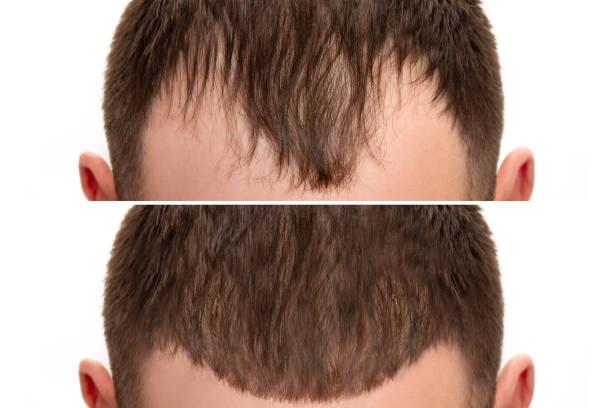
Hair restoration has become one of the most sought-after cosmetic procedures among individuals experiencing thinning hair and baldness. With advanced medical technologies and modern treatment approaches, Saudi Arabia has emerged as a leading destination for people seeking effective hair restoration solutions. Understanding different techniques and their advantages can help individuals make informed decisions about their transformation journey. The growing interest in Hair Transplant Cost in Saudi Arabia 2026 reflects how more people are researching long-term and reliable solutions for hair loss.
The popularity of Hair transplant in Riyadh Saudi Arabia has increased significantly due to the availability of advanced procedures, modern facilities, and personalized treatment plans. Many individuals choose these procedures because they provide natural-looking outcomes while improving confidence and appearance. Hair transplant methods are designed to restore hair growth in areas affected by hair thinning or complete hair loss, helping people regain a youthful and fuller look.
Modern Hair Transplant Techniques
Hair transplant procedures have evolved considerably over the years. Modern techniques focus on precision, comfort, and natural hairline creation. Specialists now use advanced tools and minimally invasive approaches to ensure better healing and improved results.
Follicular Unit Extraction (FUE)
FUE is one of the most preferred hair restoration techniques because it involves extracting individual hair follicles from the donor area and implanting them into thinning or bald regions. This method is widely appreciated for leaving minimal scarring and providing a quicker recovery period. Individuals who prefer shorter hairstyles often choose FUE because the tiny extraction points are hardly noticeable.
Follicular Unit Transplantation (FUT)
FUT is another effective technique used for hair restoration. In this method, a strip of scalp containing healthy hair follicles is removed from the donor area and divided into smaller grafts for transplantation. FUT is suitable for individuals who require a larger number of grafts in a single session. It allows for dense coverage and can deliver long-lasting results when performed with proper planning.
Direct Hair Implantation (DHI)
DHI is an advanced variation of hair transplantation that focuses on direct implantation of hair follicles using specialized tools. This method offers improved control over the angle, direction, and depth of hair placement. As a result, patients often achieve highly natural-looking outcomes with enhanced hair density.
Benefits of Hair Transplant Procedures
Hair transplant treatments provide more than just aesthetic improvements. They also offer psychological and emotional benefits that positively impact daily life and self-confidence.
Natural-Looking Results
Modern procedures are designed to mimic natural hair growth patterns. Skilled implantation techniques ensure that the newly transplanted hair blends seamlessly with existing hair, creating a realistic appearance.
Long-Term Hair Restoration
Unlike temporary solutions, hair transplantation offers long-lasting results. The transplanted follicles are generally resistant to hair loss, allowing individuals to enjoy permanent improvements in hair density and coverage.
Improved Self-Confidence
Hair loss often affects personal confidence and social interactions. Restoring hair can significantly improve self-esteem, helping individuals feel more comfortable and positive about their appearance.
Minimal Maintenance
Transplanted hair can usually be treated like natural hair. Individuals can wash, style, and maintain it without requiring complicated routines, making the procedure highly convenient for long-term care.
Why Saudi Arabia Is Becoming a Popular Choice
Saudi Arabia has become a recognized destination for cosmetic and hair restoration procedures due to advancements in healthcare infrastructure and treatment technologies. Modern clinics focus on patient comfort, safety, and customized care.
Advanced Technology and Techniques
Clinics across major cities use modern equipment and updated methods to deliver accurate and efficient procedures. These advancements contribute to better graft survival rates and more natural outcomes.
Personalized Treatment Plans
Each individual experiences hair loss differently, which is why personalized assessments are essential. Treatment plans are tailored according to hair type, hair loss stage, and desired density to achieve optimal results.
Comfortable Recovery Experience
Modern procedures are minimally invasive, allowing individuals to return to normal routines within a short period. Post-procedure care instructions also help improve healing and support healthy hair growth.
Factors to Consider Before a Hair Transplant
Before undergoing a procedure, individuals should understand several important factors that contribute to successful results.
Hair Loss Pattern
The stage and pattern of hair loss help determine the most suitable technique and the expected outcome. Early consultation can help create an effective treatment strategy.
Donor Hair Quality
Healthy donor hair is essential for achieving fuller coverage. Specialists evaluate donor areas carefully to ensure enough grafts are available for transplantation.
Realistic Expectations
Understanding achievable results is important for overall satisfaction. Hair restoration procedures can significantly improve appearance, but realistic expectations help individuals appreciate gradual and natural progress.
Recovery and Hair Growth After the Procedure
Hair growth after transplantation occurs gradually. Newly implanted follicles typically enter a temporary shedding phase before fresh growth begins. Visible improvements may appear over several months, while complete results usually develop over time. Following aftercare instructions carefully supports healthy healing and better outcomes.
Frequently Asked Questions
Q: Is a hair transplant a permanent solution for hair loss?
A: Hair transplantation is considered a long-term solution because transplanted follicles are usually resistant to hair loss and continue to grow naturally.
Q: How long does recovery take after a hair transplant?
A: Most individuals can return to regular activities within a few days, although complete healing and hair growth require more time.
Q: Can transplanted hair be styled normally?
A: Yes, transplanted hair behaves like natural hair and can be washed, cut, and styled normally after recovery.
Q: Are modern hair transplant techniques painful?
A: Modern procedures are designed to minimize discomfort through advanced methods and local anesthesia during treatment.
Q: Who is a suitable candidate for a hair transplant?
A: Individuals experiencing thinning hair or pattern baldness with healthy donor hair are generally considered suitable candidates.
Consultation at Enfield Royal Clinic
If you are considering advanced hair restoration solutions, Enfield Royal Clinic provides professional consultation and personalized treatment approaches designed to help individuals achieve natural-looking and long-lasting results. Their focus on patient care, advanced techniques, and modern procedures makes them a trusted choice for those seeking effective hair restoration in Saudi Arabia.

 English
 Arabic
 French
 Spanish
 Portuguese
 Turkish
 Dutch
Dutch
 Italiano
 Russian
 Romaian
 Portuguese (Brazil)
 Greek
Greek